

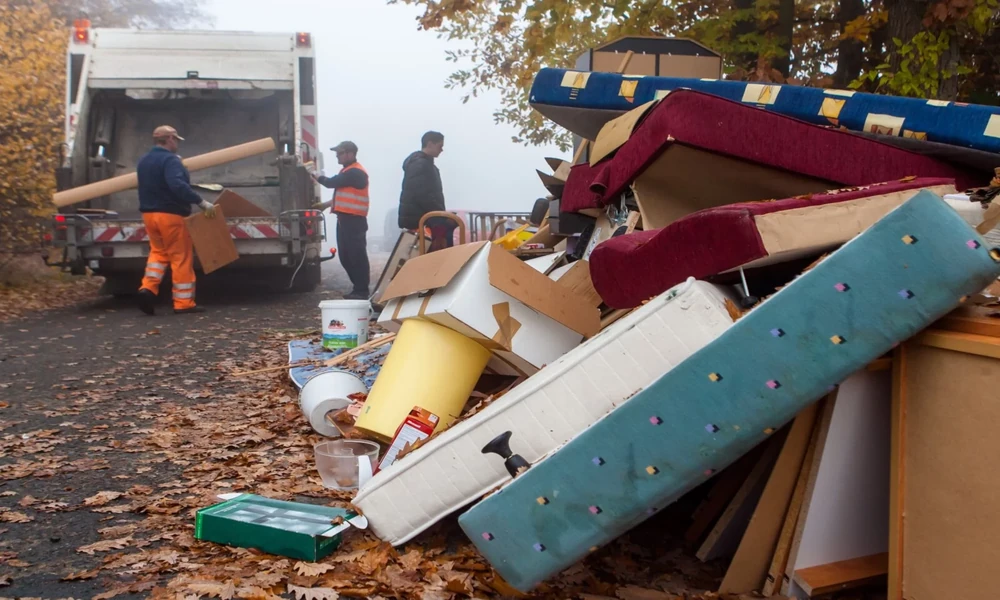
Mattresses are one of the most problematic waste streams facing European cities, clogging up landfills and challenging even the most sophisticated recycling programs. In France and Belgium, the rise in mattress consumption and disposal has forced governments, recyclers, and communities to rethink their waste strategies.
The Growing Challenge of Mattress Waste in France and Belgium
The sheer volume of discarded mattresses is startling. Each year, millions of old mattresses pile up, many of them containing synthetic foams, fibers, metal springs, and chemical treatments that don’t break down easily. This mix poses a significant risk to soil and groundwater and requires specialized handling.
Public attention to this environmental threat has never been higher. Stringent European Union directives, increased reporting on landfill overflows, and grassroots community action have pushed mattress waste onto the policy agenda in both France and Belgium. Legislation now requires extended producer responsibility, placing more of the recycling burden on manufacturers and retailers.
Why does mattress recycling matter so much? These bulky items are mostly recyclable by weight, with more than 90 percent of an average mattress recoverable if processed correctly. Each mattress recycled represents not just landfill saved, but steel, foam, and fibers that can be reused in other industries.
Overview of Mattress Recycling Infrastructure
France’s approach to mattress recycling is built around a network of regional sites. Recyc-Matelas Europe, headquartered in Colombes and with major operational facilities in Limay, Mortagne sur Sèvre, and Langon, leads this effort. These sites handle large volumes, using both manual and automated systems to dismantle mattresses, sort components, and maximize material recovery.
Belgium, meanwhile, has centralized operations through Recyc-Mattress in Sombreffe. While their overall national capacity is smaller, their facility serves as a critical hub for Belgian mattress recycling. This focused approach offers advantages in quality control and logistics, especially in a smaller country with less geographic spread.
| Aspect | France (Recyc-Matelas) | Belgium (Recyc-Mattress) |
|——————————-|———————————|——————————–|
| Main Sites | 3 (Limay, Mortagne, Langon) | 1 (Sombreffe) |
| Operational Model | Regional hubs | Centralized facility |
| Coverage | National, regionally tailored | National, single point |
| Processing Capacity (est.) | Higher | Moderate |
Differences in Recycling Processes and Technologies
One of the most notable differences is the degree of automation. French facilities often use semi-automated lines, especially at larger sites like Limay. These systems quickly separate textiles, foams, and metals, boosting recovery rates and reducing labor costs. Manual dismantling is still common, especially for specialty items, but France’s investment in technology is paying off.
Belgian sites, while innovative, tend to rely more on manual processes. This allows for careful sorting and less contamination, but throughput is lower. Material recovery rates are similar, typically in the 85 to 90 percent range, but France’s higher volumes give it a lead in raw tonnage reclaimed.
Variations in Collection and Drop-Off Systems
Accessibility is a major difference between the two countries. In France, regional drop-off points are widely available, often in partnership with local waste authorities. Some cities run scheduled pickups for bulky waste, including mattresses, making recycling easier for the public.
Belgium’s centralized approach means most consumers must arrange direct drop-offs or wait for periodic municipal collection events. There are fewer regular collection points, but partnerships with large retailers help bridge the gap, especially when buyers purchase new mattresses.
Economic and Social Factors Influencing Recycling Models
Funding is another area where these countries diverge. In France, mattress recycling is heavily subsidized through “eco-participation” fees added to the sale of new mattresses. Government incentives and strong regulatory frameworks support this model.
Belgium’s system is more dependent on private contracts and municipal support, with a growing role for non-profits in public engagement. Employment at recycling sites in both countries provides jobs, with French regional facilities acting as larger employers.
Challenges Faced by Recycling Sites Across Both Countries
Transporting bulky mattresses remains costly and logistically complex. Both countries struggle with contamination, as improper disposal leads to soiled or infested materials that can’t be recycled. Consumer participation, while improving, still lags behind other forms of waste sorting.
Best Practices and Lessons Learned from Each Country
France’s regionally distributed system makes collection easy and keeps costs down by minimizing transport distances. Automation and public-private partnerships have driven efficiency. Belgium’s focused, high-quality manual processing ensures that recovered materials meet stringent standards, and their retailer collaborations increase public participation.
Both countries could benefit from more cross-border cooperation: sharing data, combining logistics resources, and harmonizing standards for processed materials.
How Consumers and Businesses Can Navigate Mattress Recycling
Choosing the right recycling site depends on location and convenience. In France, local waste authorities can direct residents to the nearest Recyc-Matelas facility or collection event, while in Belgium, contacting the Sombreffe site or checking with major retailers is the best approach. For those seeking options beyond France and Belgium, resources like Recyc-Matelas Ontario provide insights into North American models and global best practices.
Before recycling, consumers should remove any non-mattress items, keep mattresses dry, and check local guidelines for drop-off or pickup. Retailers and businesses are increasingly incentivized to offer take-back schemes when selling new mattresses, streamlining the recycling process for everyone.
Together, small changes in how we dispose of mattresses can add up to a major environmental impact, transforming waste into new resources instead of letting it pile up.
