

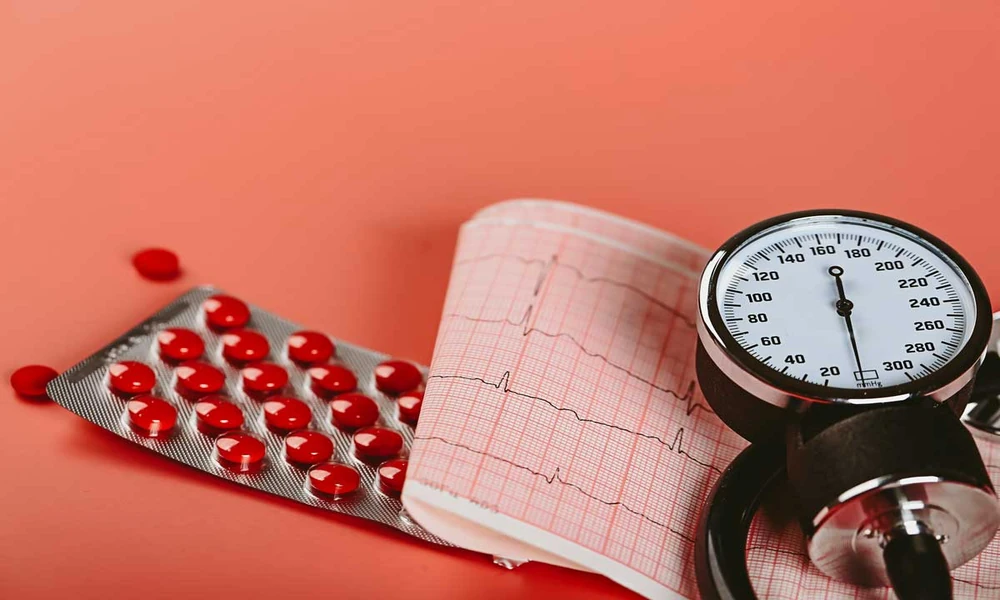
Hypertension is a prevalent health condition that many people are suffering from. Some experience stroke, while others die. Managing this health condition is a serious matter, and most patients fail to do so. Some take maintenance medication for management, while others attend hypertension programs.
Understanding hypertension
Hypertension condition happens when blood pressure is too high.
For example:
140/90 mmHg or higher
The condition is common and can be serious when untreated. People with hypertension may not feel symptoms. You will know that you have it once you get your blood pressure checked. Some factors increase the risk of having high blood pressure hypertension, including:
- genetics
- older age
- being overweight or obese
- high-salt diet
- not physically active
- drinking too much alcohol
Any of them can be the reason for hypertension. You should expect to have high blood pressure if you have any of those. Your lifestyle may change, such as:
- eating a healthier diet
- quitting tobacco
- being more active
These can help lower blood pressure. However, some people still need to take medicines.
You are diagnosed with hypertension if your blood pressure is measured on two different days. Yet, a high blood pressure measurement does not mean you have hypertension. It continues to be a high measurement.
Stages of high blood pressure
There are two stages of hypertension.
- Stage 1. The top number is 130 or the bottom number is in the 80s.
- Stage 2. The top number is 140 or higher or the bottom number is 90 or higher.
A blood pressure of above 180/120 mmHg is high.
Doctors describe a hypertension condition according to its severity:
- Severe hypertension. It happens when the top number is 180 or higher, or the bottom number is 120 or higher. However, there are no visible symptoms.
- Hypertensive emergency. High blood pressure damages the organs, which causes symptoms:
○ chest pain
○ seizures
○ severe headache
Types of hypertension
Hypertension has several types, namely:
Primary hypertension
Primary hypertension has no specific driver of making the blood pressure high, such as:
- kidneys
- hormones
- medications
- nervous system
Instead, many factors can raise it, such as:
- aging
- genetics
- family history
Secondary hypertension
Secondary hypertension is a:
- medical condition
- medication
- addictive substance
These can raise your blood pressure. It is often within a short period. The common causes include:
- Obstructive sleep apnea
- Renal artery stenosis
- Medications
- Alcohol
- Nicotine
- Recreational drugs
Hypertension prevention and medication
Patients prevent and monitor their hypertension level through a hypertension program. It is a standardized treatment that lowers the long-term risk of:
- heart disease
- stroke
- kidney damage
Home blood pressure monitoring
Home blood pressure monitoring is basic hypertension prevention. Patients are provided with remote patient monitoring tools for doctors to track readings in real time. Some patients who know how to use the sphygmomanometer can do home monitoring.
Standardized treatment protocols
The doctor uses clear clinical guidelines or medication algorithms to determine the most effective doses of blood pressure drugs. Some call this hypertension maintenance.
Lifestyle and dietary coaching
A hypertension program that offers guidance on:
FAQs
Is severe hypertension a risky health condition?
Having a severe hypertension can lead to death, if not treated.
Can you treat a hypertension condition?
Many patients are free from hypertension, after taking a hypertension program, such as lifestyle coaching.
What measurement of blood pressure diagnosed a hypertension?
130/80 mm Hg or higher is considered hypertension.
Who must take regular high blood pressure checkups?
It is very important to have regular high blood pressure checkups, especially for senior citizens. However, hypertension is not only associated with old age. More teenagers and young adults are diagnosed with hypertension.
