

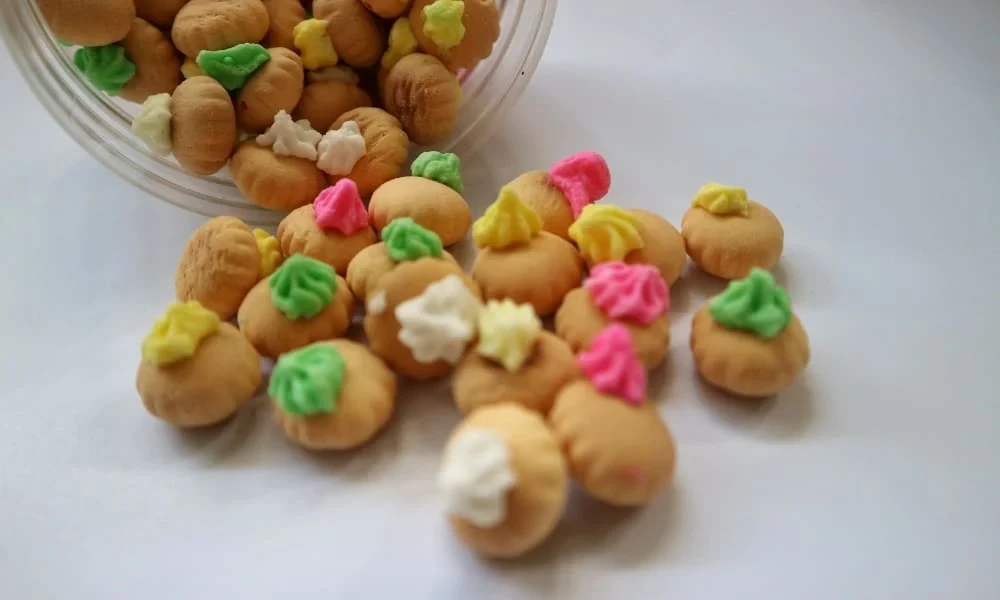
Young children often become familiar with eating through hands on practice and repeated attempts. Toddler snacks can support this stage when their texture feels gentle and manageable. Soft portions or lightly crisp textures can make self-feeding easier while simple shapes help children hold each piece with greater confidence. A suitable texture also encourages curiosity while aiding children build confidence during everyday meals with organic toddler snacks.
Gentle Textures Build Eating Confidence
Texture plays an important role when a young child begins handling food independently. Softness can make each bite easier to manage while familiar shapes encourage self-feeding. Gradual texture changes allow children to become comfortable with different sensations naturally. Suitable portions can also support steady handling without making each attempt difficult.
· Soft pieces can make early self-feeding attempts easier.
· Light firmness encourages careful biting without creating unnecessary difficulty.
· Smooth surfaces may feel familiar during initial independent handling.
· Small portions can support controlled grasping during snack periods.
· Gentle crunch can introduce a new sensation at suitable stages.
What Textures Encourage Independent Handling?
Easy handling starts with shapes that fit naturally into small hands. Pieces that are simple to grasp can encourage children to pick up food without constant help. A texture that stays together during handling may reduce frustration during self-feeding. This approach gives children room to practice movements while enjoying their own progress.
Parents can look for textures that support gradual skill building. A slightly firm outer layer with a softer centre may offer useful variety without creating a difficult task. Age guidance and the child’s developing ability to hold chewable pieces can help families choose organic toddler snacks that suit their growing self-feeding skills.
Supporting Calm Mealtime Routines
A relaxed setting gives children enough time to handle each portion at their own pace. Rushing can make independent attempts feel difficult, while patient support encourages repeated practice.
· Allow enough time for unhurried bites during regular snack periods.
· Keep portions suitable for small hands and developing coordination.
· Encourage sitting upright while eating to support safer self-feeding.
· Let children touch portions before bringing them toward their mouth.
· Offer water nearby when appropriate during scheduled eating times.
Can Texture Variety Encourage Curiosity?
Diverse textures can make eating feel more exciting without requiring complicated preparation. Introducing one texture change at a time supports children notice new sensations gradually. A familiar texture beside a newer option may provide reassurance during exploration. Repeated exposure can also help children become more willing to handle unfamiliar consistencies.
Texture variety does not need to change every day. Parents can repeat suitable choices while introducing small differences when the child seems ready. This creates opportunities to practise grasping, chewing, and moving portions toward the mouth with increasing confidence.
Building Skills Through Snack Shapes
Shape and texture work together to support independent movement during eating. Easy grip forms can help children develop better control while carrying pieces from hand to mouth. Firm enough portions may stay together during handling instead of breaking too easily. Rounded edges can also make pieces easier to hold during early attempts.
Portion size should suit the child’s current abilities rather than following one fixed approach. Parents can observe how easily the child grasps each piece and adjust selections when needed. Age-appropriate guidance should always be followed when introducing new textures or portion forms.
Encouraging Positive Eating Progress
Independent eating develops through repeated practice rather than one successful attempt. Each small effort can strengthen confidence while allowing children to discover comfortable ways of handling food. Parents can offer encouragement without taking control of every movement. Over time, steady opportunities can make self-feeding feel more natural during daily routines.
FAQs
Which texture suits early independent eating attempts best?
Soft, manageable textures are generally easier for early self-feeding.
How can texture variety support growing eating skills?
Gradual changes introduce fresh sensations while encouraging continued handling practice.
Should portions change as eating abilities develop?
Yes, portions can adjust according to developing grasping and chewing abilities.
