

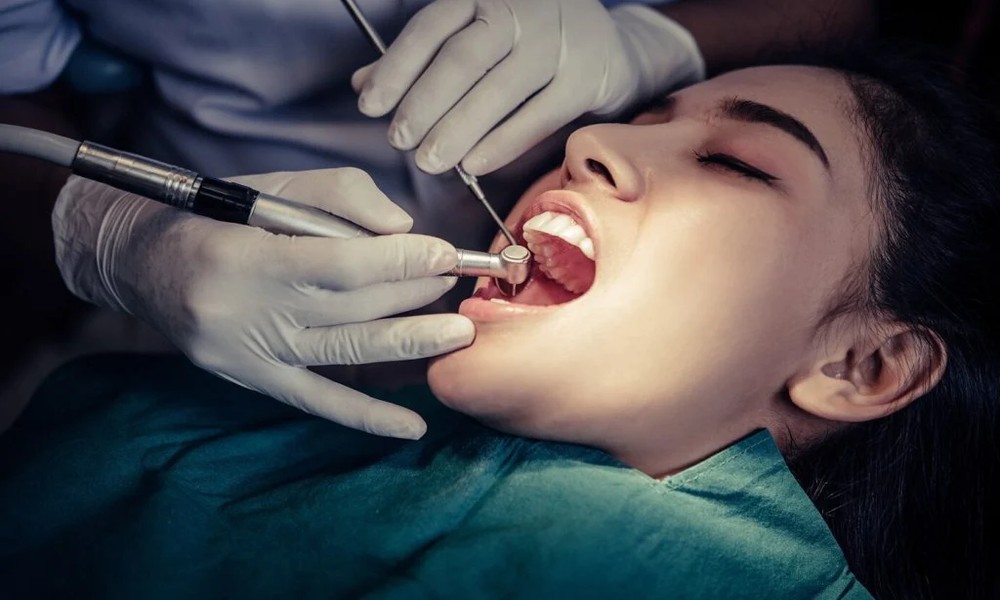
The dental industry has experienced rapid advancements in restorative technologies, with modern materials playing a critical role in improving both clinical outcomes and patient satisfaction. From cosmetic restorations to full denture fabrication, dental professionals are increasingly choosing advanced materials that combine durability, aesthetics, and workflow efficiency.
As digital dentistry continues to reshape laboratories and clinics worldwide, restorative materials are evolving to meet the growing demand for precision-driven and natural-looking dental solutions.
Why composite resin Remains Essential in Restorative Dentistry
Among the most versatile materials used in modern dentistry is composite resin. Widely utilized for cosmetic corrections and restorative procedures, this material is valued for its ability to closely mimic the appearance of natural teeth.
Today’s composite resin for teeth applications are commonly used for:
- Tooth-colored fillings
- Minor cosmetic corrections
- Veneer restorations
- Repairing chipped or fractured teeth
One of the biggest advantages of dental composite resin is its excellent bonding capability, which allows dentists to preserve more of the natural tooth structure while delivering aesthetically pleasing results.
Patients also prefer composite-based restorations because they blend naturally with surrounding teeth and support minimally invasive treatment approaches.
The Growing Importance of acrylic resin for dentures
Denture fabrication continues to rely heavily on durable and adaptable base materials. This is where acrylic resin for dentures remains highly significant in modern prosthetic dentistry.
This material is commonly chosen because of its:
- Lightweight structure
- Ease of customization
- Strong aesthetic properties
- Cost-effective fabrication process
Modern denture materials are designed to improve patient comfort while supporting long-term functionality. In many laboratories, advanced acrylic resins also allow for more accurate shaping and polishing, contributing to better fit and appearance.
As prosthetic dentistry continues to evolve, acrylic-based materials remain a dependable solution for complete and partial denture applications.
Digital Dentistry and the Rise of Advanced Zirconia Materials
The integration of CAD/CAM workflows has dramatically changed restorative manufacturing processes. Dental laboratories now require materials that can support digital precision without compromising strength or aesthetics.
This growing demand has contributed to the increasing popularity of upcera zirconia in restorative applications.
Known for its:
- High flexural strength
- Natural translucency
- Excellent milling performance
- Long-term durability
upcera zirconia has become widely used for crowns, bridges, implant restorations, and full-arch prosthetics.
Its compatibility with digital manufacturing systems allows dental professionals to achieve accurate restorations while improving overall laboratory efficiency.
The Expanding Role of Modern Dental Product Innovations
As restorative expectations continue to rise, manufacturers are developing materials and systems that support better clinical outcomes and streamlined workflows. Advanced restorative solutions now focus on combining:
This innovation-driven approach has strengthened the demand for globally recognized solutions such as Keystone Dental Products, which are often associated with evolving restorative and prosthetic technologies within the dental industry.
The shift toward digitally compatible materials and advanced restorative systems is helping laboratories and clinicians deliver more predictable and consistent treatment results.
Advancing the Future of Restorative Solutions
Modern restorative dentistry continues to evolve through the integration of innovative materials and digital workflows. Whether utilizing composite resin for teeth, durable acrylic resin for dentures, or advanced upcera zirconia systems, dental professionals are prioritizing materials that balance aesthetics, functionality, and efficiency.
At the same time, developments associated with Keystone Dental products and other modern restorative technologies continue to influence how laboratories and clinicians approach long-term dental restoration solutions. As patient expectations increase, the demand for high-performance restorative materials will remain central to the future of dentistry.
