

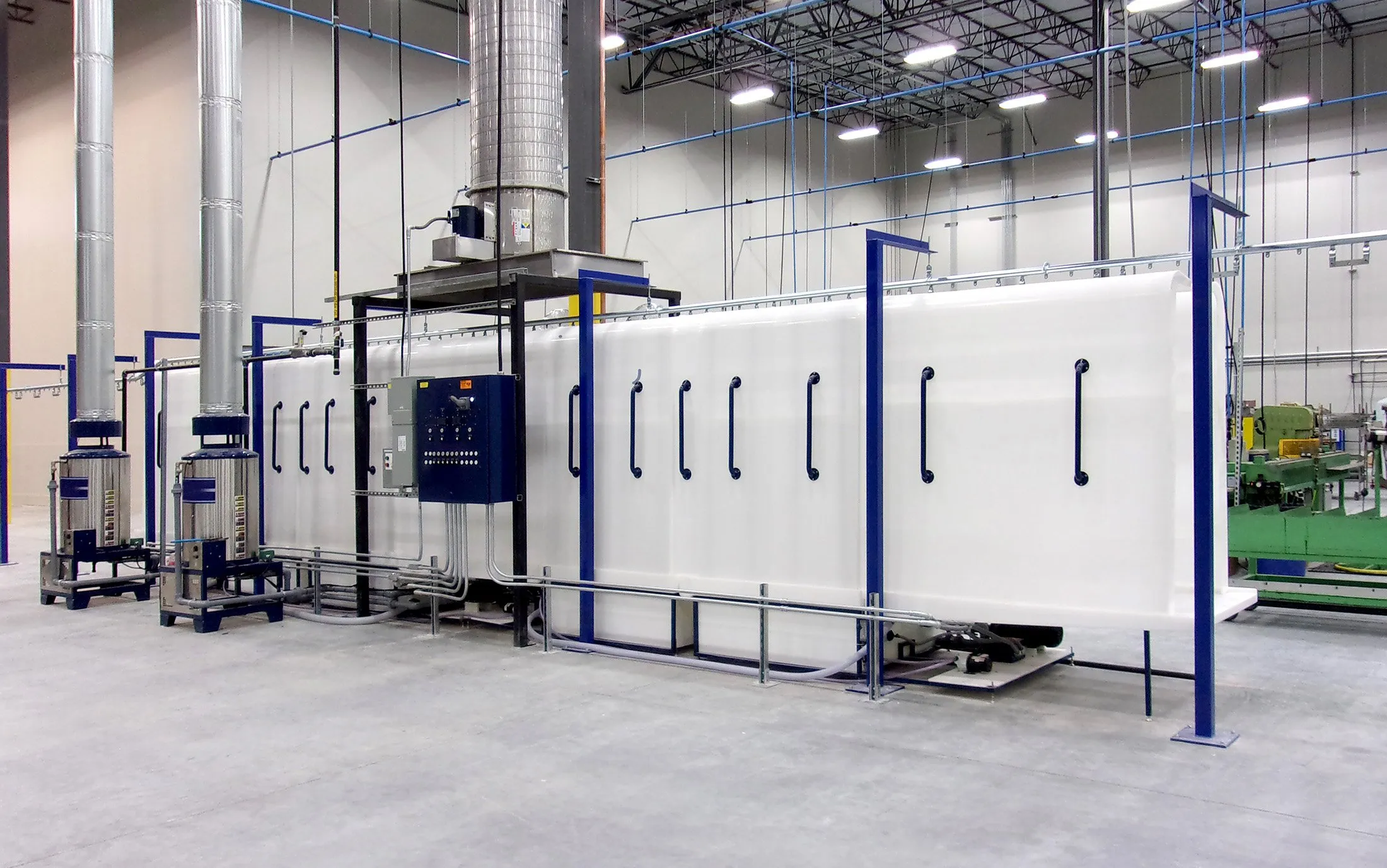
Comparing finishing systems often reveals performance gaps that are not obvious at first glance. Two systems may share similar dimensions or ratings, yet deliver very different results once parts enter the process. Those differences usually come down to design choices hidden inside powder coating equipment rather than surface-level specifications.
Oven Airflow Design Changes Cure Consistency Widely
Airflow design plays a major role in how evenly parts cure inside powder coating ovens. Some systems rely on simple circulation patterns that create hot and cool zones within the chamber. These uneven zones cause certain areas of a part to overbake while others remain undercured, even when temperature settings look correct. More advanced airflow designs manage how heated air moves around complex part shapes. Proper ducting, fan placement, and return paths keep air moving evenly across every surface. This is why an industrial powder coating oven with engineered airflow often delivers more consistent finishes than lower-cost options listed as powder coating equipment for sale.
Insulation Quality Affects How Heat Holds over Time
Insulation determines how well an oven maintains stable temperatures during production. Thin or poorly fitted insulation allows heat to escape, forcing burners or heaters to cycle more frequently. These swings disrupt cure times and raise operating costs.
High-density insulation helps powder coating systems hold heat steadily, even during door openings or conveyor movement. Over long shifts, this stability protects finish quality and reduces energy waste. Differences in insulation are rarely obvious during purchase but become clear during daily operation.
Conveyor Systems Move Parts at Different Real Speeds
Conveyor speed ratings do not always reflect how parts actually travel through an oven. Mechanical drag, chain stretch, and drive design all affect real-world movement. A slight speed variation can change dwell time enough to impact curing results. Well-designed conveyor systems maintain consistent speed under load. In a powder coating equipment package, conveyor quality often separates systems built for light use from those meant for continuous production. Accurate speed control ensures parts receive the heat exposure they were designed for.
Control Accuracy Shifts Temperature Stability Greatly
Temperature controllers vary widely in precision. Basic controls may allow wide swings around setpoints, while advanced systems regulate heat tightly within narrow ranges. These differences directly affect cure quality and repeatability.
Accurate controls also respond faster to load changes. When cold parts enter the oven, responsive systems compensate quickly without overshooting. This level of control is a key factor separating high-performance powder coating ovens from entry-level equipment.
Gun and Booth Setups Influence Powder Transfer Rates
Powder application efficiency depends heavily on gun technology and booth airflow. Inconsistent electrostatic charging or poor air balance reduces transfer efficiency and increases waste. Even high-quality powder can perform poorly if the booth design works against it. Optimized booth layouts and gun positioning improve coverage and reduce rework. Powder coating equipment designed as a complete system often performs better than mixed components sourced separately. This integration matters when evaluating powder coating equipment for sale.
Power Supply Differences Change Actual Heat Output
Heating systems rely on stable power delivery to perform as intended. Variations in electrical or gas supply design affect how quickly ovens reach and maintain temperature. Some systems struggle to deliver full output under continuous load.
Well-matched power systems provide consistent heat without strain. This reliability supports steady curing and reduces component wear. Buyers comparing a powder coating oven for sale should look beyond nameplate ratings to understand real output capability.
Frame and Chamber Size Alters How Parts Heat up
Chamber dimensions influence airflow patterns and heat distribution. Oversized chambers may struggle to maintain uniform temperatures, while undersized ones restrict airflow around larger parts. Frame rigidity also affects how well seals hold over time. A properly sized chamber balances volume with airflow capacity. Strong frames prevent warping that can lead to heat loss. These structural details explain why powder coating equipment performance varies even among systems with similar capacities.
Sensor Placement Can Misread True Part Temperatures
Temperature sensors often measure air temperature rather than part temperature. Poor sensor placement can give a false sense of accuracy while parts cure unevenly. This disconnect leads operators to adjust settings unnecessarily.
Strategic sensor placement provides data that better reflects actual curing conditions. Advanced powder coating systems account for thermal lag and part mass. Accurate feedback helps maintain finish quality without constant manual correction.
Build Materials Determine How Efficiently Ovens Perform
Materials used in oven construction affect heat retention, durability, and long-term efficiency. Thin panels, low-grade steel, or weak seals allow heat loss and shorten equipment life. Over time, these losses reduce performance consistency. Higher-grade materials improve thermal stability and structural integrity. This durability supports reliable operation across years of use. Build quality remains one of the biggest reasons powder coating equipment varies so widely in real-world performance.
Reliant Finishing Systems focuses on manufacturing powder coating equipment that prioritizes strength, accuracy, and efficiency. Their equipment is engineered to handle real production loads while maintaining stable curing conditions. Quality materials and proven designs make their systems a dependable choice for long-term operation.
