

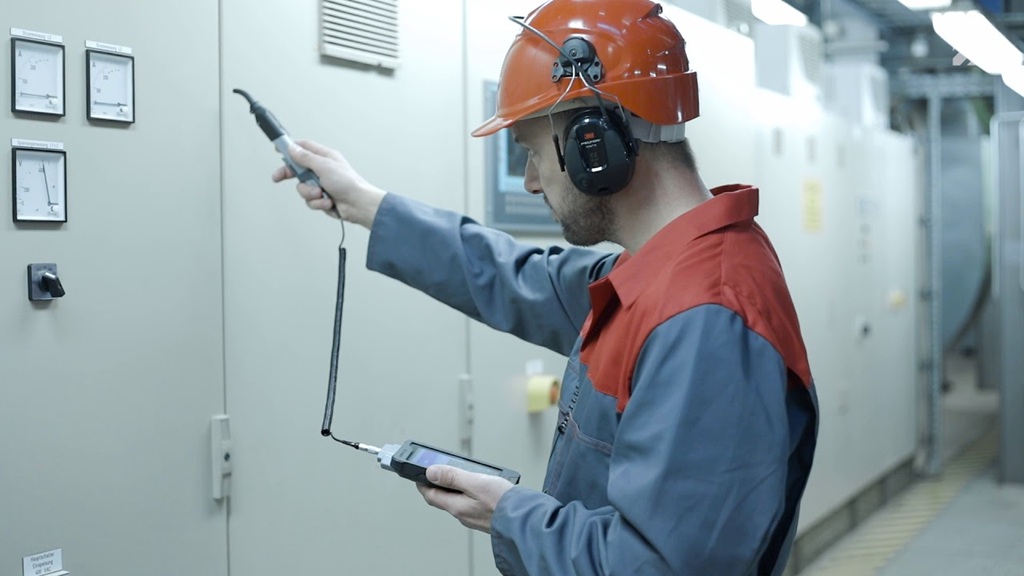
Partial discharge is the silent assassin lurking within electrical systems, an invisible threat that prowls through insulation gaps and air pockets, gradually eroding the integrity of cables and equipment until catastrophic failure strikes without warning. In the high-stakes world of Singapore’s electrical infrastructure, where power interruptions can cripple businesses and endanger lives, detecting this hidden menace before it unleashes its destructive potential has become a matter of survival.
The Invisible Enemy Within
Imagine standing before a seemingly robust high-voltage cable, its exterior unblemished and pristine. Beneath that deceptive surface, however, microscopic electrical discharges are firing like artillery rounds, each pulse carving away infinitesimal fragments of insulation. Over months or years, these relentless attacks create pathways for larger discharges, ultimately culminating in complete breakdown. This is the insidious nature of partial discharge activity, a slow-motion disaster unfolding in the darkness of cable cavities and transformer windings.
Unlike the dramatic arcs and explosions of complete electrical failure, partial discharges operate in the shadows. They occur when localised regions within insulation break down electrically whilst the bulk of the insulation remains intact. These discharges might measure mere picocoulombs, yet their cumulative effect proves devastating. Singapore’s tropical climate, with its punishing humidity and temperature fluctuations, accelerates this degradation process, making early detection not merely prudent but absolutely critical.
Decoding the Warning Signs
The challenge facing electrical engineers resembles that of a mountaineer reading weather patterns on Everest. Subtle signs precede catastrophic events, but only those who know what to look for can interpret them correctly. Partial discharge manifests through multiple indicators:
- Radio frequency interference affecting nearby electronic equipment
- Ozone odours near transformers and switchgear
- Ultrasonic emissions detectable only with specialised instruments
- Corona visible as faint blue glows around conductors
- Thermal anomalies indicating localised heating
- Chemical by-products appearing in transformer oil analysis
Each symptom tells part of the story, but comprehensive testing reveals the complete narrative of an electrical system’s internal health.
The Technology of Detection
Singapore’s electrical maintenance standards have evolved to incorporate sophisticated partial discharge testing methodologies, recognising that prevention costs far less than emergency repairs or catastrophic failures. Modern detection techniques employ an arsenal of diagnostic tools, each designed to capture different aspects of discharge activity.
Ultrasonic testing listens for the high-frequency acoustic signatures that accompany electrical discharges. Technicians equipped with ultrasonic detectors patrol substations like hunters tracking prey, following sound intensities to pinpoint discharge locations. Radio frequency detection captures the electromagnetic emissions that partial discharges generate, allowing technicians to identify problems through cable shielding and transformer tanks.
Perhaps most revealing is the analysis of discharge patterns themselves. When technicians plot partial discharge measurements against voltage phases, distinctive patterns emerge. Corona discharges create different signatures than internal voids, and tracking discharges across insulation surfaces produce their own unique fingerprints. Experienced analysts read these patterns like trackers reading spoor, determining not merely that discharges exist but identifying their exact nature and location.
The Singapore Context
The Energy Market Authority in Singapore emphasises proactive asset management, recognising that the city-state’s compact geography and dense population leave no margin for error. Partial discharge testing forms a cornerstone of preventive maintenance programmes across the nation’s electrical infrastructure. Regulations require periodic testing of high-voltage equipment, with frequencies determined by asset criticality and operational history.
According to Singapore Standards for electrical installations, partial discharge assessments must meet stringent sensitivity requirements. Testing equipment must detect discharge levels well below thresholds that might trigger immediate failures, providing early warning whilst remediation remains straightforward and affordable. This philosophy mirrors the approach taken in other critical systems throughout Singapore, where prevention consistently trumps reaction.
When Testing Becomes Urgent
Certain circumstances demand immediate partial discharge evaluation, regardless of scheduled maintenance intervals:
- Following installation of new high-voltage equipment
- After major electrical storms or transient events
- When expanding existing electrical systems
- Before critical operations requiring absolute reliability
- When unusual symptoms appear in electrical equipment
- After prolonged shutdown periods before re-energisation
The cost of testing pales against the potential consequences of undetected degradation. A single transformer failure in Singapore’s interconnected grid can cascade through industrial estates, disrupting manufacturing processes worth millions and jeopardising worker safety.
The Path Forward
Modern partial discharge monitoring systems now offer continuous surveillance rather than periodic snapshots. Permanent sensors installed on critical assets stream data to centralised monitoring stations, where algorithms flag anomalies and track degradation trends. This evolution from reactive to predictive maintenance represents a fundamental shift in how Singapore manages its electrical infrastructure.
The data gathered through systematic testing builds institutional knowledge, revealing which equipment types prove vulnerable under local conditions and which maintenance intervals optimise reliability. Patterns emerge showing how Singapore’s climate affects insulation aging, informing both procurement decisions and testing schedules.
Conclusion: Seeing the Invisible
In the world of high-voltage electrical systems, ignorance proves anything but bliss. The equipment humming quietly in substations and distribution centres carries within it the seeds of its own destruction, visible only to those who possess the tools and knowledge to look. Through systematic application of partial discharge testing technologies, Singapore’s electrical professionals peer into this invisible realm, identifying threats before they materialise into disasters and ensuring that the power flowing through the nation’s veins remains reliable and safe. The silent assassin loses its advantage when brought into the light, and in that illumination lies the difference between controlled maintenance and catastrophic failure. Understanding and implementing comprehensive partial discharge testing programmes transforms uncertainty into confidence, allowing electrical systems to serve their vital functions without the looming spectre of unexpected breakdown.
