

A new heating system should provide dependable comfort without putting unnecessary pressure on your household budget. However, even modern, energy-efficient equipment can consume more energy than expected when installation decisions are poorly planned or important details are overlooked. The result may be uneven temperatures, frequent cycling, and higher monthly utility bills.
For homeowners considering heating installation in Arlington, WA, choosing suitable equipment and ensuring it is installed correctly are essential steps towards long-term efficiency. Understanding common installation mistakes can help you make informed decisions, avoid preventable problems, and keep your home comfortable throughout the colder months.
1. Choosing the Wrong Heating System Size
One of the most common heating installation mistakes is selecting equipment that is too large or too small for the home. Although a larger unit might appear to offer better performance, heating capacity must match the property’s actual requirements. The correct size depends on several factors, including square footage, insulation, ceiling height, window placement, and local climate conditions.
An oversized furnace may heat a room quickly and shut off before completing a longer heating cycle. This behavior, known as short cycling, can increase energy consumption, create temperature fluctuations, and place additional wear on system components. An undersized unit may struggle to maintain the desired indoor temperature during cold weather, forcing it to run for extended periods.
Professional sizing involves evaluating the home rather than relying solely on its square footage or the capacity of the previous system. A heating contractor can assess the building’s heating load, which is the amount of heat required to maintain comfortable indoor conditions. This calculation helps determine the appropriate equipment capacity and supports more consistent performance.
2. Ignoring Insulation and Air Leaks
Even a properly installed heating system can waste energy if the home loses heat through poorly insulated walls, ceilings, floors, windows, or doors. When warm air escapes and cold air enters, the heating equipment must compensate for the additional heat loss. This can lead to longer operating periods and increased energy bills.
Replacing a heating system without considering the home’s thermal performance can therefore limit the benefits of the upgrade. Drafty windows, gaps around exterior doors, unsealed penetrations, and inadequate attic insulation may all contribute to unnecessary heating demand.
Before installation, consider whether improvements to insulation and air sealing are needed. Weatherstripping around doors, caulking suitable gaps, and addressing insulation deficiencies can help reduce heat loss. However, homes also require appropriate ventilation, so sealing work should not block necessary airflow or combustion-air openings.
A professional assessment can help identify the most significant sources of heat loss. Addressing these issues alongside a heating installation may allow the system to maintain comfortable temperatures with less energy.
3. Overlooking Ductwork Design and Airflow
For homes with forced-air heating, the duct system plays an important role in overall efficiency. Ducts carry heated air from the furnace to different rooms, but poorly designed, damaged, or inadequately sealed ductwork can prevent heat from reaching its intended destination.
Leaks may allow heated air to escape into attics, crawl spaces, or wall cavities. Restricted ducts, blocked registers, and poorly balanced airflow can also cause some rooms to remain cold while others become uncomfortably warm. The heating system may then operate longer as occupants adjust the thermostat to compensate.
Ductwork should be evaluated during installation or replacement, particularly when the new equipment differs from the previous system. A furnace or heat pump may require specific airflow conditions to operate correctly. Simply connecting new equipment to existing ducts without checking their suitability can undermine performance.
Ask the installer to inspect duct condition, airflow, and sealing where applicable. Duct modifications may be necessary if the existing layout cannot support the new equipment adequately. Homeowners should also keep supply registers and return-air grilles unobstructed by furniture, rugs, and other household items.
4. Selecting Equipment Based on Purchase Price Alone
Initial cost matters when replacing a heating system, but the cheapest option may not offer the best long-term value. Different systems, including furnaces, heat pumps, ductless units, and radiant heating, vary in efficiency, maintenance needs, and suitability for individual homes.
The right choice depends on climate, energy prices, insulation, fuel availability, and existing infrastructure. Efficiency ratings are useful for comparison, but actual operating costs also depend on installation quality and usage.
When considering heating installation in Arlington, WA, compare upfront costs, energy efficiency, maintenance requirements, and potential upgrades. A qualified contractor can help you choose a system that balances affordability, performance, and long-term savings.
5. Skipping Final Testing and Thermostat Setup
Installing a heating system is only part of the process. Proper testing and thermostat setup ensure the equipment operates safely, efficiently, and reliably.
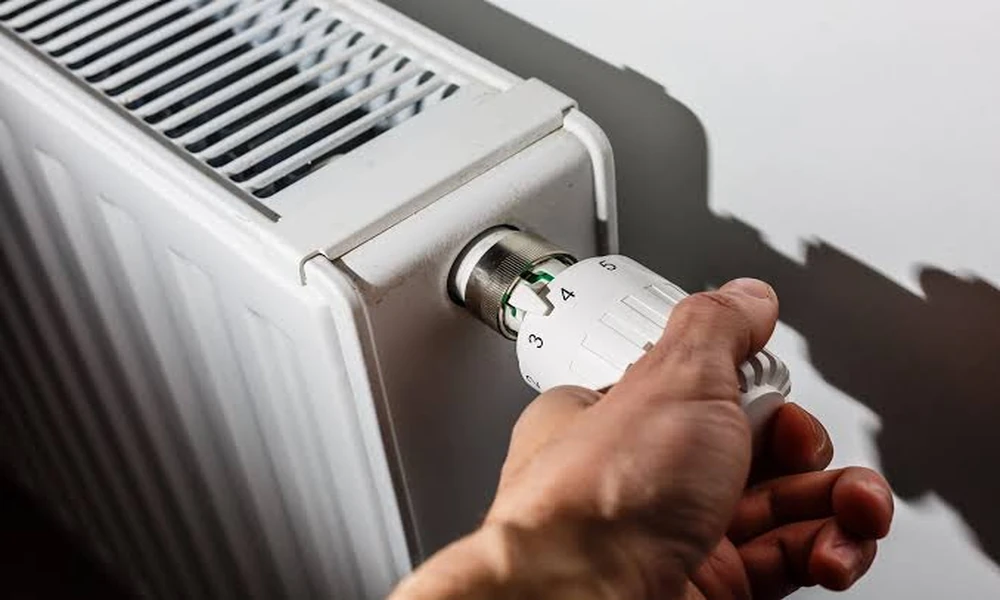
Incorrect thermostat settings or poor calibration can affect comfort and increase energy costs. After installation, the contractor should check airflow, safety controls, electrical connections, and other components as required. The thermostat should also be configured for the installed system.
Homeowners should learn how to operate the thermostat and recognize common issues. If heating becomes uneven, the system cycles frequently, or energy bills increase unexpectedly, contact a professional for an inspection.
Final Thoughts
Avoiding heating installation mistakes starts with selecting appropriately sized equipment, addressing heat loss, evaluating ductwork where applicable, comparing long-term operating costs, and confirming that the completed system works as intended. These decisions help support consistent comfort while reducing avoidable energy waste.
Before proceeding with heating installation in Arlington, WA, arrange a professional assessment of your home’s heating requirements and ask for a clear explanation of the proposed equipment and installation work. Once the system is installed, follow the manufacturer’s maintenance recommendations and investigate unexpected changes in performance or energy use promptly.
