

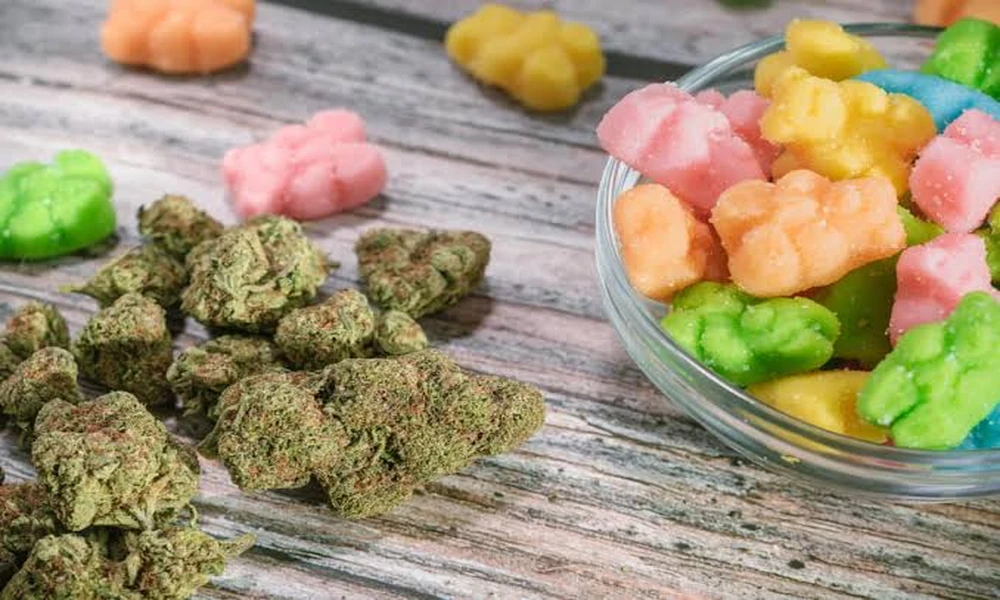
Packaging language across the sativa gummy category moves faster than manufacturing standards in many cases, and the gap between what a front label claims and what a finished piece actually contains narrows only when proper documentation sits behind the product. Testing standards determine how reliably a gummy delivers what its label promises across separate purchases over time. Anyone evaluating the best sativa gummy options without examining what testing covered and who conducted it is making a purchase decision from the most curated portion of the product presentation rather than the most informative one available.
Terpene classification evidence
Sativa classification in the gummy category rests almost entirely on terpene profile rather than cannabinoid content, since delta 9 itself carries no inherent sativa character without the aromatic compounds shaping how it expresses through the endocannabinoid system. A certificate covering cannabinoids without terpene data cannot confirm whether a sativa-labelled product carries the profile that justifies its classification.
- Limonene – Confirms the uplifting citrus character sativa formulas target, interacts with serotonin pathways independently of cannabinoid activity.
- Terpinolene – Distinguishes genuine sativa profiles from neutral ones, contributes fresh energetic quality that daytime formulas depend on.
- Alpha pinene – Supports mental clarity without physical weight, separates focus-oriented formulas from relaxation-oriented ones clearly.
- Ocimene – Adds brightness to the aromatic profile, reinforces the daytime character that sativa classification implies on the label.
Any sativa gummy whose certificate lists cannabinoids without individual terpene percentages leaves its classification claim standing without verification.
Residual solvent screening
Extraction method leaves chemical traces in finished extract that carry through into gummy production without selective removal during subsequent processing. Ethanol extraction at an industrial scale occasionally leaves residual solvent above acceptable thresholds when post-processing steps run incompletely during high-volume production periods.
Residual solvent panels should list individual compounds screened rather than a combined pass notation, since a single result obscures which solvents were tested and at what detection thresholds the laboratory operated. CO2 extracted products carry no solvent residue by definition of the process, meaning certificates from CO2 operations should show non-detectable results across every solvent category consistently without exception, requiring explanation.
Pesticide depth in sativa cultivars
Sativa hemp cultivars grown specifically for terpene expression often receive more intensive cultivation management than commodity hemp, which can introduce higher input levels than standard cannabinoid focused growing operations use across a season.
- Full pesticide panels covering organophosphate and pyrethroid categories confirm synthetic residues stayed below established thresholds.
- Certificates listing fifteen or more individual compounds communicate considerably more than abbreviated panels covering only commonly screened substances.
- Organically certified source material reduces pesticide screening complexity by removing synthetic inputs entirely before harvest begins.
- Heavy metal panels remain necessary regardless of certification status, given soil history variables that certification does not automatically address.
Certificate dating for current batches
A certificate dated twelve months before purchase describes a different production batch than the product currently sitting in a shipping box. Batch-specific certificates tied to lot numbers printed on the current packaging confirm testing covered the actual material inside that purchase rather than a historical batch produced under potentially different conditions entirely.
Monthly or quarterly certificate updates across active product lines signal ongoing testing commitment rather than a single historical document carried forward across new production runs indefinitely. Testing standards reveal the manufacturing discipline that front label language describes, but documentation alone verifies across potency, terpenes, solvents, pesticides, and batch-specific dating that sativa classification claims require to carry genuine meaning.
