

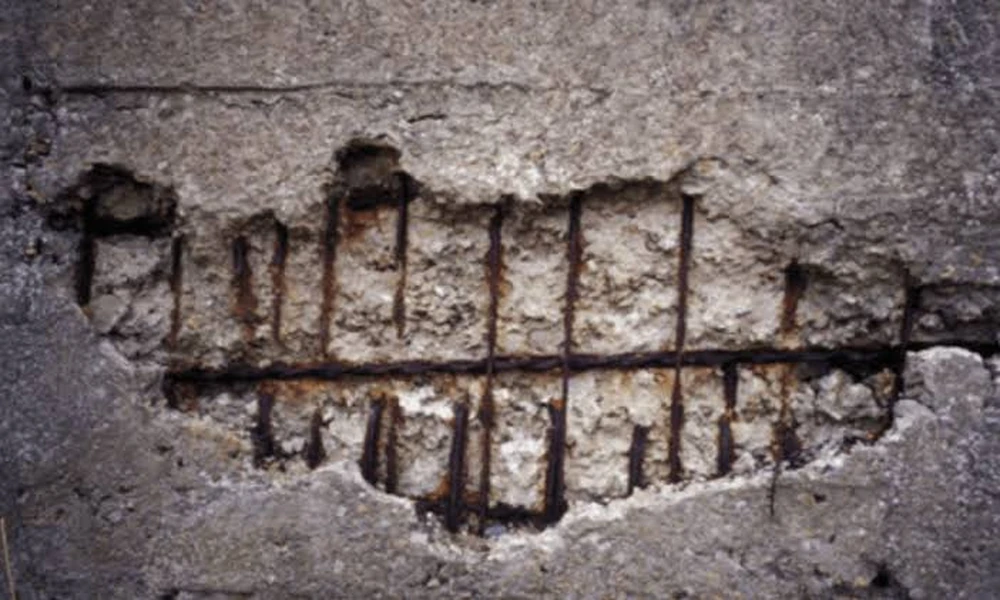
Concrete structures are built to last, but they still need attention to stay in good condition. Small cracks, rust stains, or loose concrete may seem harmless at first, yet they can signal deeper structural problems. Acting early can help protect your property and prevent more extensive repairs. Concrete spalling usually starts with subtle warning signs before visible damage becomes severe. A professional inspection can identify the cause and recommend the right solution. This article explains the early signs of concrete spalling that every building owner should recognize.
Small Cracks Can Lead to Bigger Problems
Tiny cracks may not seem like a major concern at first. However, they can allow water to enter the concrete and reach the steel reinforcement inside. As the steel begins to rust, it expands and creates pressure that causes the surrounding concrete to crack even more or break apart. Professional concrete spall repair services help identify what caused the cracks instead of simply covering them up. Fixing the problem early can reduce additional damage and help the structure last longer.
Crack Patterns That Need Professional Attention
- Cracks that continue getting longer or wider.
- Cracks near beams, columns, balconies, or parking garages.
- Openings that stay wet after rain.
- Cracks with rust stains or discoloration around them.
Flaking or Chipped Concrete Is an Early Warning Sign
Concrete should have a smooth and solid surface. If you notice pieces flaking off or small chunks breaking away, the surface has already started to weaken. This damage can expose the steel reinforcement to moisture and speed up further deterioration. A professional assessment can determine how much of the structure has been affected. Repairing damaged areas early helps prevent larger and more expensive repairs later.
Rust Stains Should Never Be Ignored
Brown or orange stains on concrete are usually a sign that the steel reinforcement inside has started to corrode. Rust forms when moisture reaches the steel through cracks or damaged areas. As corrosion continues, it can weaken the surrounding concrete. These stains commonly appear on balconies, parking structures, retaining walls, and other exposed concrete surfaces. A timely inspection helps professionals determine the extent of the damage before it becomes more serious.
Other Signs That Call for Immediate Inspection
- Raised or uneven sections on the surface.
- Hollow sounds when concrete is checked by professionals.
- Exposed steel reinforcement.
- Missing pieces of concrete around structural areas.
Bulging or Hollow Areas May Point to Hidden Damage
Concrete should stay firmly attached to the structure beneath it. If certain sections appear raised or sound hollow, the concrete may have separated from the surface below. This usually happens because rusting steel expands inside the concrete. Professional repair specialists remove damaged material, inspect the reinforcement, prepare the area properly, and use suitable repair products to restore the structure. This process helps improve strength and reduce the risk of additional deterioration.
Regular Inspections Help Protect Your Property
Routine inspections make it easier to catch problems before they become major repairs. Buildings with balconies, parking garages, walkways, and other exposed concrete areas benefit from regular evaluations because these surfaces face constant weather exposure. Experienced professionals carefully inspect the concrete, locate the source of the damage, and recommend the right concrete spall repair services for the structure. Early repairs help extend the life of the concrete and protect the property’s long-term value.
Paying attention to early signs of concrete spalling can help keep a building safe and structurally sound for years. Professional inspections make it easier to detect hidden problems and recommend the right repair solution before the damage spreads. Timely repairs also help protect the value and performance of the structure. Working with experienced restoration professionals is the best way to maintain durable and reliable concrete surfaces.
