

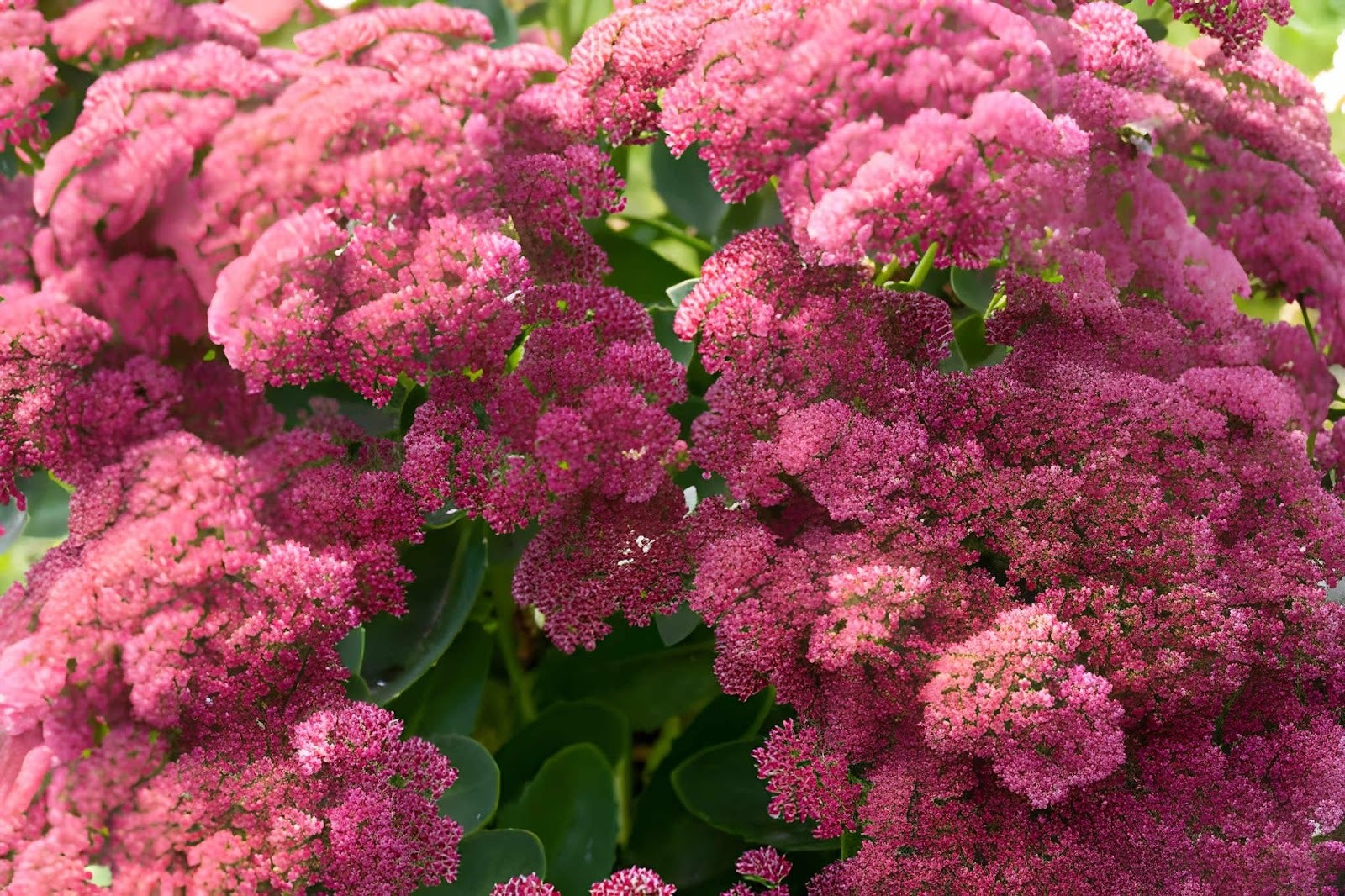
There are a few plants that often whisper, but this one glows. Sedum Autumn Joy is one of those quiet little confidence plants that creep on you towards the end of the summer, and then takes over the garden altogether, with thick and fleshy leaves in a tidy pile, interspersed with the plump flower heads which first turn soft pink then gradually change to coppery rust. It is a soft colour change, like a sunset that is showcasing its time.
It is popular among gardeners due to its appearance of being generous without requiring care. And what happens when other blooms start fading? This one is just getting started.
Why Gardeners Keep Choosing Sedum Autumn Joy
Sedum Autumn Joy continues to pop up in gardens throughout New Zealand with good reason. It is commonly recommended by top nurseries like The Plant Company for use on borders, mixed beds, and containers due to its self-controlling behaviour and the ability to appear impressive.
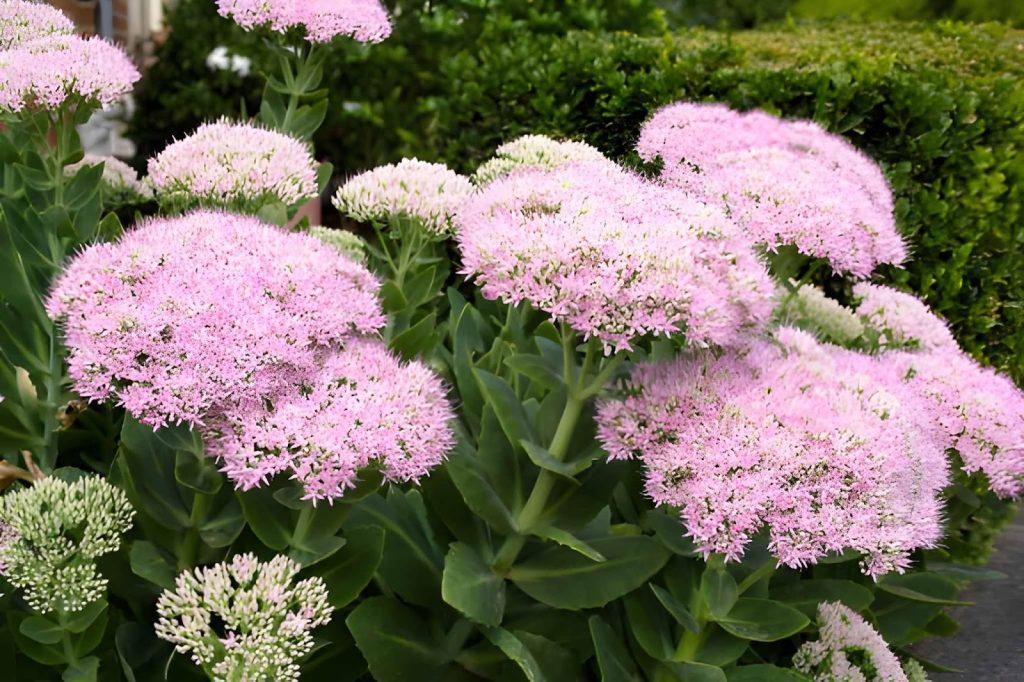
- Forms a tidy mound around 40 cm tall and wide
- Flowers last for months, and not weeks
- Colour evolves from blush pink to warm bronze
- Attracts butterflies and bees late in the season
- Looks good even when the flowers dry for a winter texture
Something is reassuring about a plant that does not flop, sulk, or demand constant trimming, and it just performs.
Growing Conditions and Nothing Fussy Here
Sedums are famously easy-going, and this variety stays true to that reputation.
- Full sun keeps the plant compact and flower-heavy
- Well-draining soil is essential, and wet feet are a no-go.
- Light watering once established, which is drought-tolerant by nature
- Minimal feeding required
Too much shade, and you will notice the stems stretching awkwardly. Too much water, and the roots complain. Give it bright light and decent drainage, and you are basically done.
Seasonal Care in a Few Simple Steps
You do not need a schedule pinned to the shed wall. Just a couple of timely snips.
- During the spring season, it is better to cut back old stems to encourage fresh, bushy growth
- During the summer season, leave it alone and enjoy the show
- After frost during the winter, it is important to trim spent stalks to ground level
That is it. No drama. No special tricks.
Where It Shines in Garden Design
This plant plays well with others and elevates whatever sits beside it.
- Pair with ornamental grasses for movement and contrast
- Mix with lavender and other drought-tolerant perennials
- Use in rock gardens for sculptural interest
- Plant in containers for patio colour that lasts into autumn
Even the dried flower heads look architectural in winter. Not many perennials can claim year-round visual value.
The Bit People Do Not Expect
The shocking news here is that the dried flowers are cherished by the floral designers. After cutting and drying, they maintain their shape and colour wonderfully in compositions. So, you are not just planting for the garden. You are planting for the vase, too. And honestly, watching those flower heads deepen in tone week after weeks is quite satisfying.
